What Perimenopause Means for Asian Women

Middle-aged women are equipping themselves with knowledge around perimenopause, its symptoms, and what this transition stage to menopause looks like in Asian women.
The information and advice provided in this article are for general purposes only and should not replace individualized professional medical advice. Always consult your doctor about your specific health needs.
Last year, 46-year-old Mandy Fong of Sacramento, California, began noticing some unusual changes to her body: extreme mood swings, heart palpitations, fatigue, nausea, headaches, bloating, weight gain. The symptoms felt a bit like pregnancy, but she knew that wasn’t the case. Concerned, she consulted her OB-GYN and confided in close girlfriends. Turns out, these clues were simply an indication that her body was aging, and that she had entered a little-known stage of life called perimenopause.
According to the Mayo Clinic, perimenopause is “the time before menopause when your body is getting ready to stop having periods.” This can begin as early as your 30s or as late as your 50s. Experts note that fluctuating estrogen levels during perimenopause can trigger symptoms such as irregular periods, hot flashes, sleeplessness, night sweats, mood swings, vaginal and bladder problems, bone loss, increased risk of osteoporosis, and changing cholesterol levels. Perimenopause leads to menopause, defined by the CDC as when a person has gone for 12 consecutive months without a period.
After decades of hushed conversations about menopause and perimenopause, women are beginning to voice their experiences in search of solidarity, support, and solutions. Aging is a part of life, and it’s time to talk about it openly. Yet there’s still much to learn.
A 2025 study published by the National Institutes of Health reported that approximately 2 million women in the U.S. enter perimenopause each year. Yet among 1,000 people ages 18 and up surveyed about their level of familiarity with perimenopause and its symptoms, the responses were pretty evenly divided among five categories ranging from “not familiar at all” to “extremely familiar.”
“There’s a long-standing bias that women’s health (especially the parts that fall outside fertility) is secondary,” said Dr. Somi Javaid, OB-GYN, surgeon, and founder of HerMD, a healthcare platform that provides specialized care for women’s health. “Our medical education reinforces this. That, combined with a stigma around talking openly about our bodies, means perimenopause gets treated like a punchline or dismissed entirely. We’ve been encouraged to cope quietly or numb what isn’t functioning properly, and that silence became institutionalized.”
Tackling Perimenopause with Humor, Acceptance, and Curiosity
Conversations around perimenopause aren’t all academic and serious, though. Comedian Alyce Chan posts skits on Instagram about parenting while in perimenopause — forgetting simple words while scolding her kids, watering down the impact of her lecture. Within minutes, she can go from raging at her kids to sweetly offering them ice cream. Melani Sanders, founder of the We Do Not Care Club, humorously encourages middle-aged women to present themselves authentically to the world — braless, disheveled, and laden with reading glasses. This feels liberating when you’re dealing with the mental, emotional, and physical exhaustion of perimenopause.
“As more women of color and Asian women speak up, we’re finally disrupting the old script,” said Javaid. “Oprah’s generation started the dialogue … but digital access changes everything. We share real talk in group texts, forums, and social media. And women want answers before symptoms feel like a crisis. We’re not waiting. That’s why this feels different, and it’s thrilling to watch.”
Crystal Chiu, 42, who lives in Houston, Texas, first learned about perimenopause about five years ago on Instagram, but dismissed it as a rare condition, since she’d grown up only hearing about menopause.
One of the symptoms that now affects Chiu the most is sleeplessness, something she struggled with in her 30s but attributed to having young kids. Now, in her 40s, she experiences random sleepless nights and spiraling thoughts. Her doctor suggested that she was probably stressed and should try reading before bed to wind down — advice that was not helpful for Chiu.
“I think most medical providers and insurance just see menopause as something women need to deal with, like [their] period,” Chiu said. “It feels a bit out of control at the moment, and I definitely need to grieve a bit, being farther away from my youth, and face the reality of my physical limitation[s].”
Fong received more information and advice than Chiu did, but she still wished she had more awareness when she was younger. “Just like the books [about bringing] a baby home from the hospital, [like] ‘What to Expect When You’re Expecting,’ I wish I had a book similar to that — ‘What to Expect Before Menopause,’” Fong said. “I also wish there are more talks about changes in our bodies after having kids, to perimenopause, and to menopause. I’ve never once read in my health books about perimenopause. It was so foreign to me when my OB-GYN shared more information with me.”
The Perimenopausal Experience as an Asian Woman
Age isn’t the only factor to consider when it comes to perimenopause and menopause. A woman’s ethnicity may play a role in how she experiences this stage of life, such as the timing, duration, and symptoms.
Research has suggested that Asian American women often encounter unique menopause symptom profiles, including earlier menopause onset, mood changes, urinary issues, and body aches, though symptom burden and severity can vary by specific Asian sub-ethnic group. On the other hand, hot flashes and night sweats were less prevalent among Chinese and Japanese compared to Black, Native American, and white women, according to the Study of Women’s Health Across the Nation (SWAN) in 2023, co-sponsored by the National Institutes of Health.
When it came to the intensity of symptoms, a 2024 study suggested that Asian women in the U.S. experienced more pronounced heart discomfort than white women, with South Asian women undergoing the greatest severity of weight change among all ethnicities. Asian women also generally reported a lower degree of symptoms such as hot flashes, sleeplessness, brain fog, and painful sex.
However, it’s important to remember that health experiences aren’t universal, even if studies point to commonalities. Javaid emphasized that while population-level trends exist, variables like genetics, lifestyle, diet, cultural factors, and reporting practices will lead to individual differences.
Another way that the aging experience can differ for Asian women, according to Javaid, is that cultural norms around endurance and quiet suffering can silence symptoms that deserve attention.
“I wish more women like my mom and aunts [would openly] talk about the changes they experience and have less stigma about it,” Chiu said. “But I am glad I am seeing more discussion in the news and social media, and even healthcare programs targeting perimenopause nowadays. I hope it’ll trickle down to physicians to give more meaningful advice to patients.”
Why Awareness Early Matters
Just as Chiu’s doctor attributed sleeplessness to stress, Javaid warned that stress isn’t the sole factor for bodily changes. Going into annual checkups with that awareness — and general knowledge about perimenopause — can lead to more productive conversations and guidance.
“If I’d known in my 30s what I know now — how early hormones can shift — it would’ve changed everything,” Javaid said. “Start with curiosity. Learn what perimenopause feels like. Track your cycle, pay attention to sleep, mood, brain fog. That information is powerful later. It helps you recognize, advocate, and optimize care before [a] crisis.”
Javaid advised people in their 20s and early 30s to build a “resilience toolkit” with healthy sleep habits and strength training to preserve bone mass. She also encourages her patients to advocate for lab work, and find a provider who understands the intersection of culture and care.
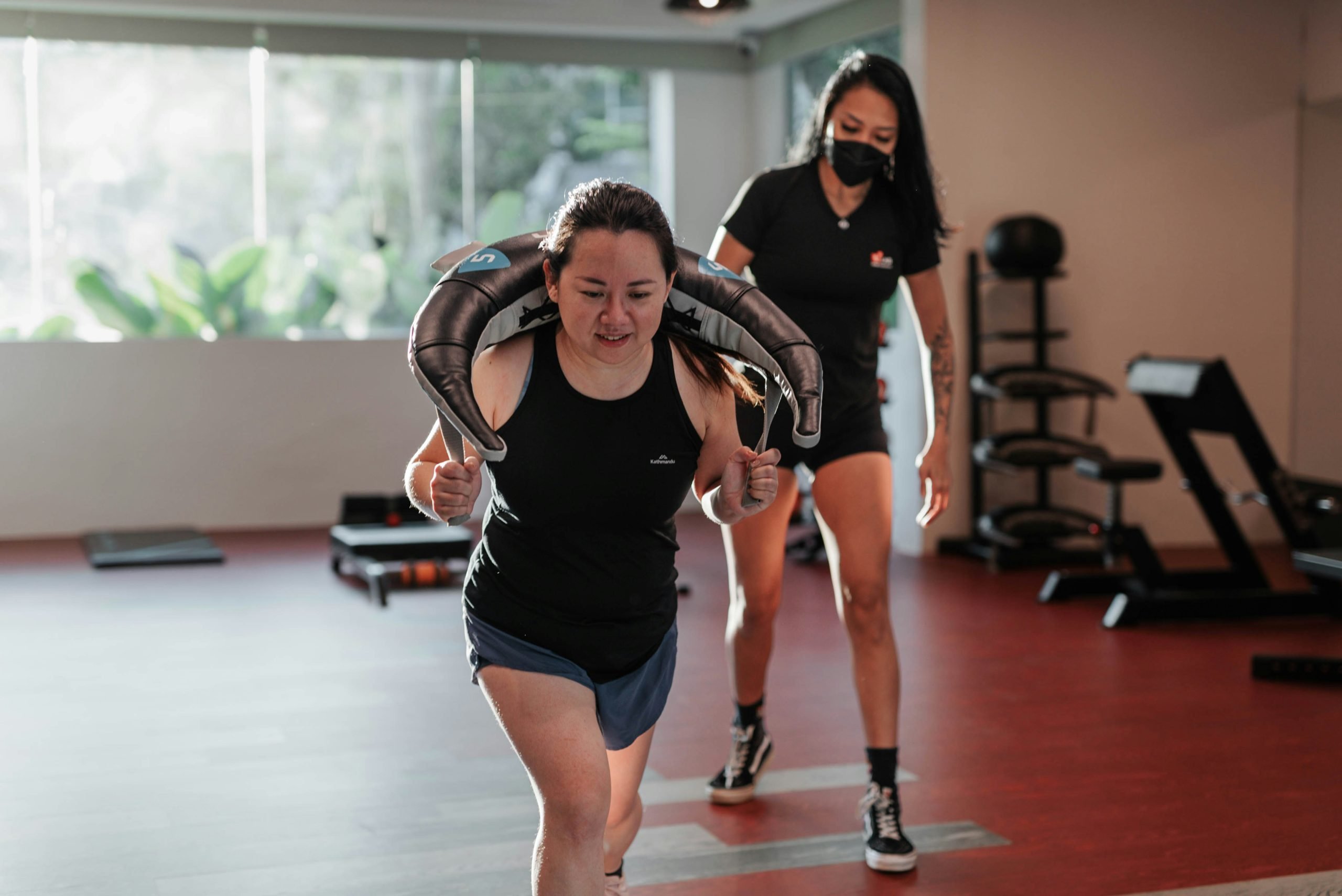
Also, “talking honestly with your community normalizes this process and makes sure you’re not navigating it alone,” Javaid said. “Small habits today pay dividends later.”
As Fong continues to journey through perimenopause, she aims to build a culture of transparency. She knows she isn’t the only one experiencing these symptoms, but for so long, topics like aging, menopause, and perimenopause have been taboo or discussed in secret among women. But that doesn’t have to always be the case.
“My body is getting older and my machine doesn’t work the way it used to, which makes this stage very unexpected,” Fong said. “I’ve learned to take more breaks during the day and allow my body to transition to something new. If anything, I want my community of friends to not feel alone or depressed, because it’s easier to go through this together than alone. I am embracing this new stage and am motivated to get through it with the proper sleep, vitamins, support, and exercise. Before I know it, I will hit another stage — menopause.”
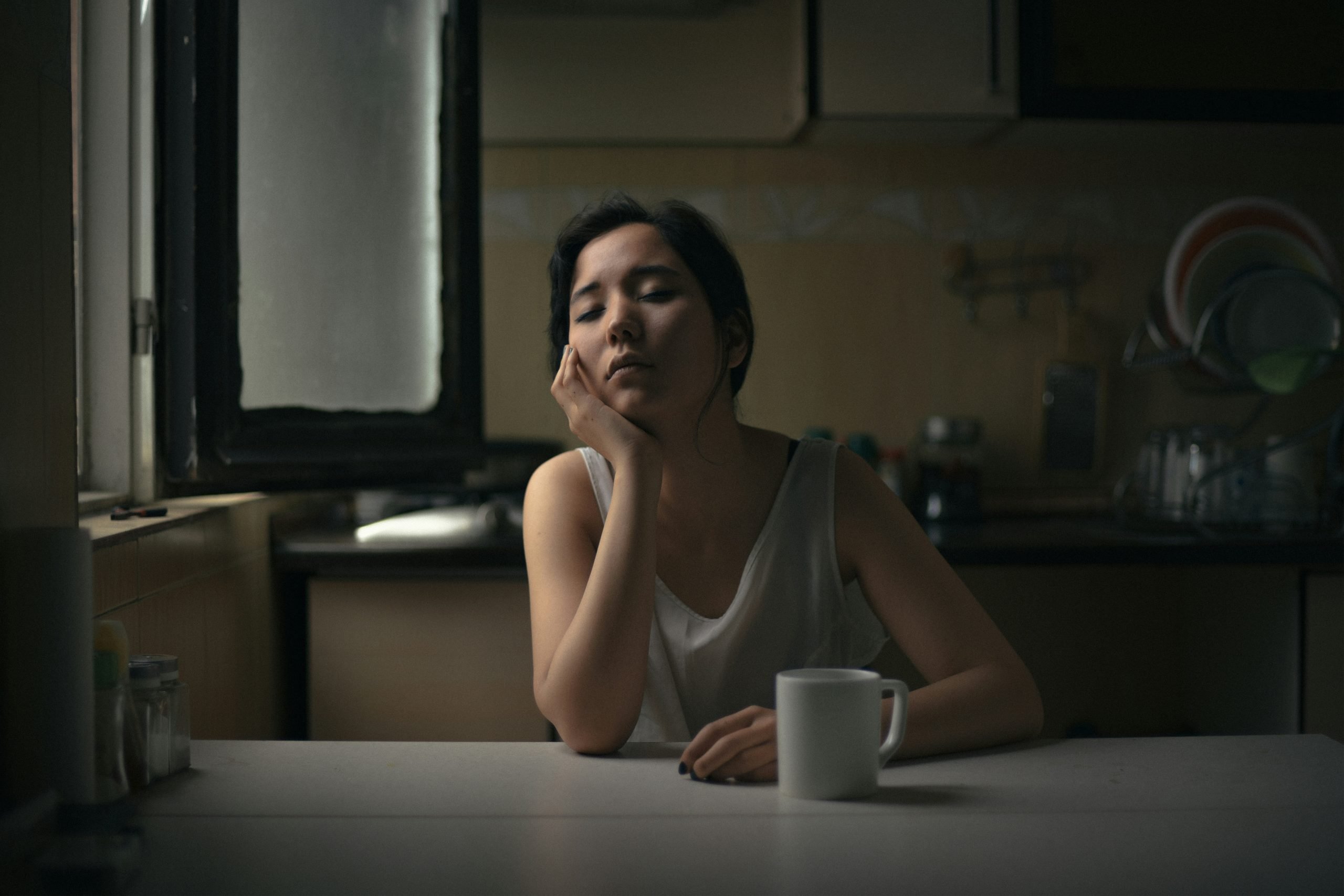
Cover iamge by ali abiyar on Unsplash.