Hmong Communities Create Solutions to Fight Water Restrictions and Racial Discrimination

Amidst ongoing legal battles over police brutality and inhumane restrictions to water, one Hmong community in California has had to develop community strategies of care and self-reliance.
The Hmong community’s roots in the United States date back to the 1960s and the country’s imperial activities in Southeast Asia. Originally emigrating from China, the Hmong populated Laos, Thailand, and Vietnam. In violation of the Geneva Accords, the CIA forces covertly recruited and trained Hmong during the Vietnam War and Laotian Civil War to combat the rise of communism. After both communist forces won and the United States withdrew in 1975, abandoned Hmong communities fled backlash and persecution in Thailand. About 130,000 Hmong would flee to the United States. Today, Hmong communities in the U.S. can be mostly found in Wisconsin (MI,) the Twin Cities (MN,) Fresno, and Sacramento (CA.)
Siskiyou County lies approximately 260 miles north of Sacramento. Hmong communities began to migrate there in 2014. The latest census data shows that within a population of 45,000, 85% are white and 1.6% Asian American. Margiana Petersen-Rockney is an assistant professor at the University of Montana and is a research affiliate at UC Berkeley’s Department of Environmental Science, Policy, and Management. Through her work, she has collaborated with the Hmong community and came to understand how arriving at Siskiyou County was mostly due to low income. Having to migrate into racially segregated and low-income areas, many community members have had to work low-wage jobs like factory or farm work, which created what she referred to as “repetitive work injuries.”
“[They] had not been provided a lot of government support in that resettlement process,” she said. “[Many] are reaching retiring age and don’t have a lot of money, certainly things like pensions or retirement funds.”
This hurdle and the need to maintain community led them to buy lots in Siskiyou County for as cheap as $10,000. “A lot of people described moving there in order to own land,” Petersen-Rockney went on. “To be near the mountains, to be in a more rural landscape that reminded them of their childhoods in Laos.”
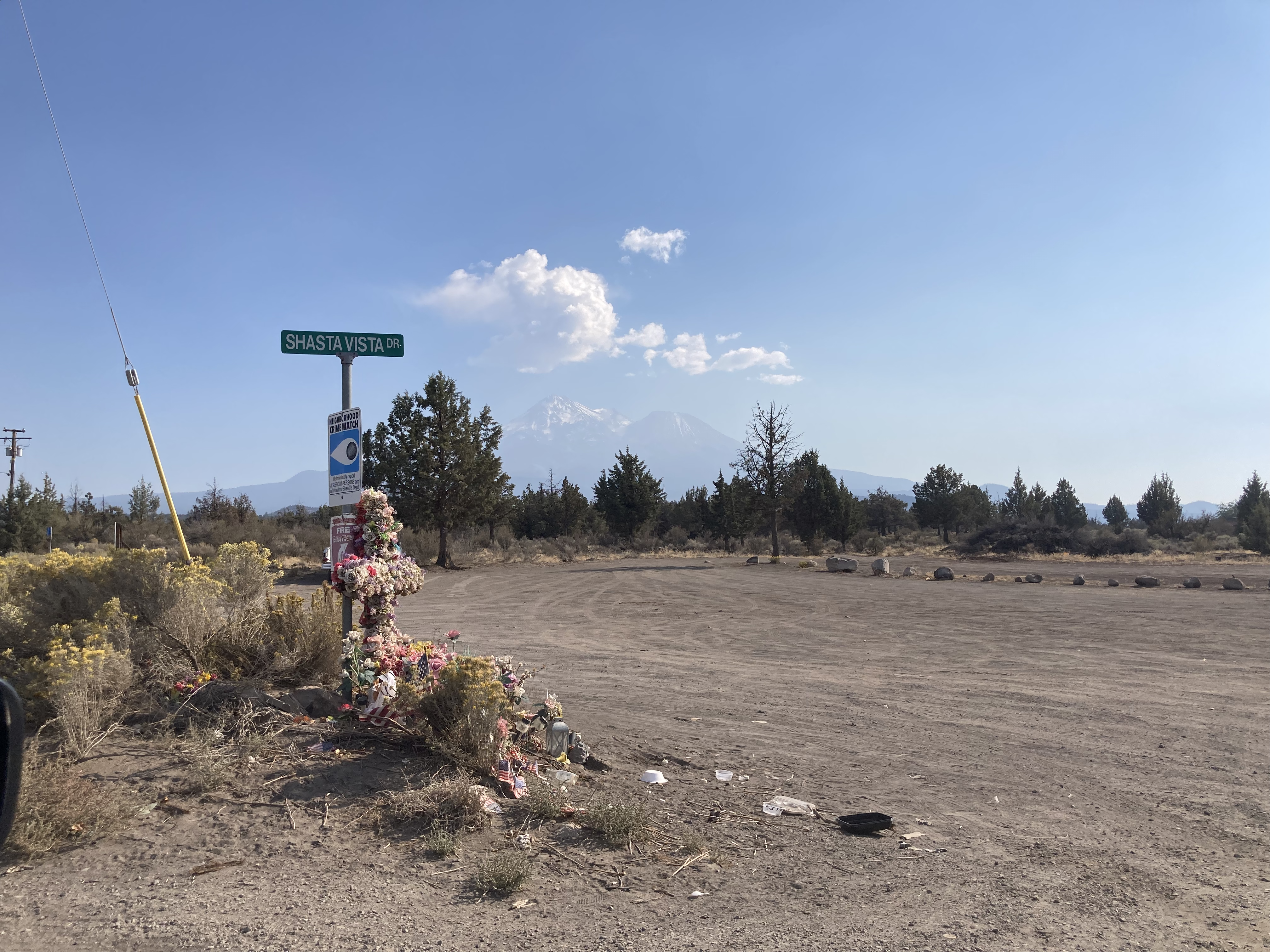
Through these cheap lots, the Hmong set up a series of subdivisions, but not like those one might expect. For one thing, there’s no water system for the neighborhoods. People rely on water to be trucked in. Apart from the cost, several factors further prevent locals from accessing water, including local policy. “The county has been very slow in approving permits,” said Petersen-Rockney. “People have been waiting multiple years to put in a well.”
To make matters worse, in some parts, residents cannot install a well because the water is unsafe to drink. “Some of the groundwater in some of these subdivisions is contaminated by arsenic,” a naturally occurring phenomenon in the region, said Petersen-Rockney.
Racial Profiling and Police Harassment of Hmong Americans in Siskiyou County
Alongside socio-economic racism, Hmong have faced a tirade of other forms of racial discrimination since their arrival, especially police brutality.
“County officials and the sheriff’s department have pursued a systematic campaign of harassment and bigotry, including through unwarranted and illegal traffic stops and water restrictions,” said Megan Vees, a litigation staff attorney at the Asian Law Caucus. “[They] have endured harassment and violence from the local sheriff and county officials, alongside an insidious web of discriminatory practices.”
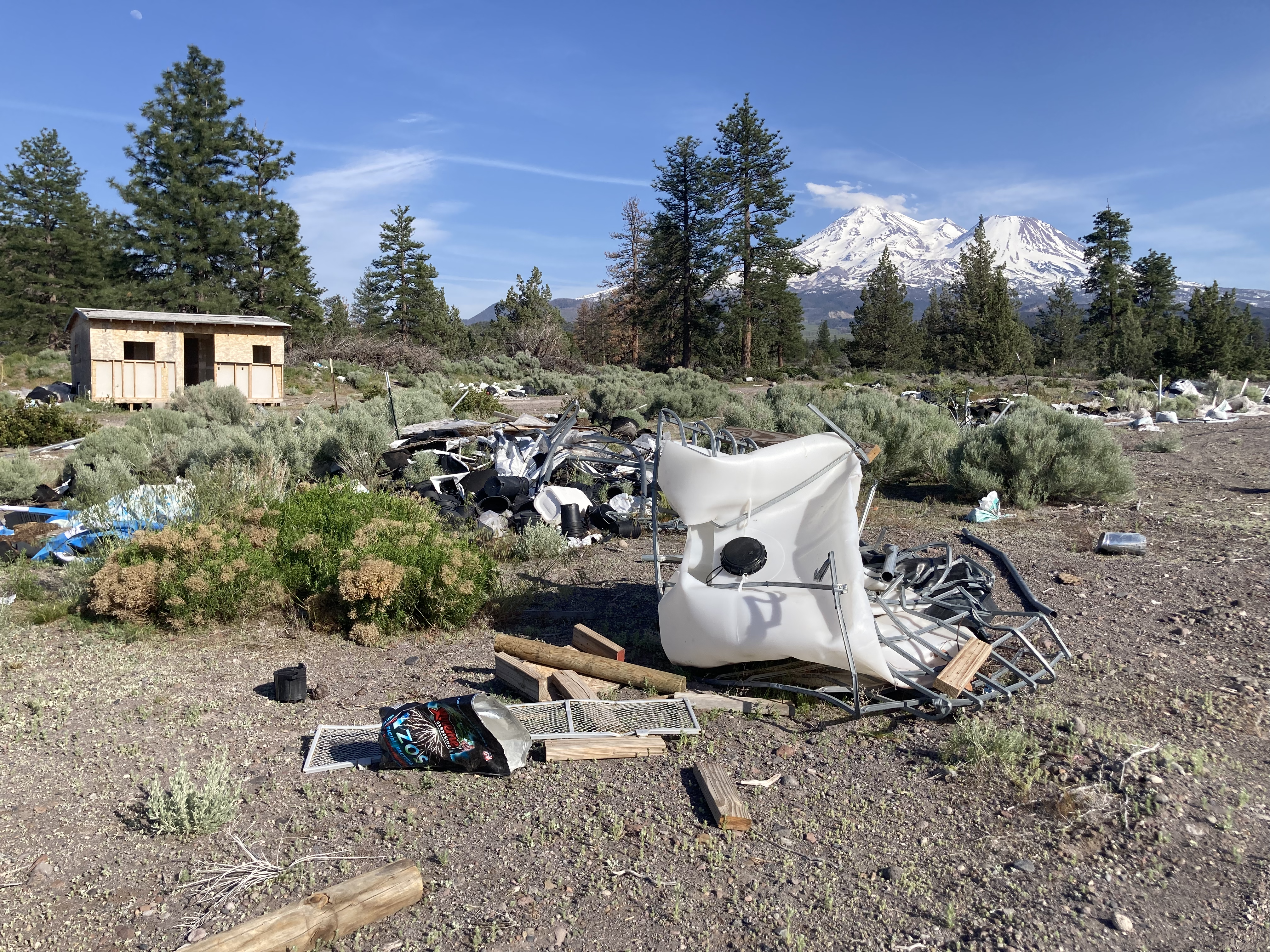
In 2021, the Asian Law Caucus and the ACLU of Northern California conducted an investigation and determined that the Hmong community faces disproportionate levels of racial bias from law enforcement in the county. Over 28% of traffic stops involved Asian Americans, nearly 12 times the rate of other racial groups. Asian Americans were 17 times more likely to be pulled over than white counterparts, with stops occurring 60% more during the day — when drivers are more visible — than at night. The median stop length for Asian American drivers was also 56% longer than for other drivers, with some being stopped at least three times within a matter of weeks.
For the safety of Hmong community members, Mochi Magazine did not contact any locals for comment due to fears of potential violent retaliation from law enforcement.
Hmong Community Resilience: Mutual Aid and Cannabis Cultivation Challenges
Overpolicing and allegedly racially biased local policy has caused the Hmong to develop a sustainable and internal practice of community safety. “In spite of the flagrant racism, from baseless traffic stops and property raids to impenetrable permitting systems that are mere formalities for nearly everyone else in the county, Hmong Americans in Siskiyou have built a close-knit community, emphasizing mutual aid and care,” said Vees.
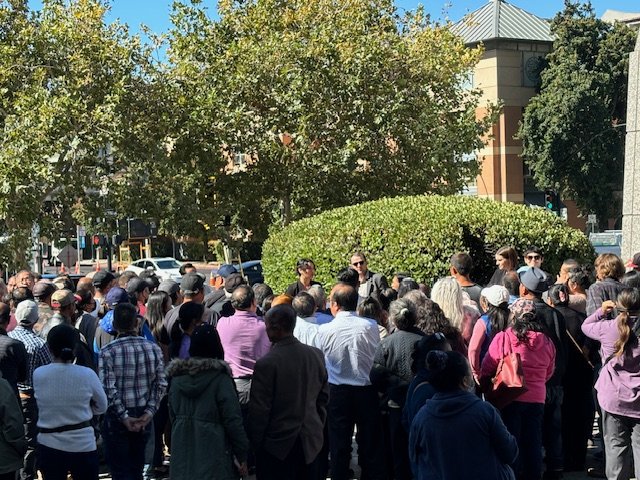
Petersen-Rockney described this ecosystem of collective care, including volunteer shifts for residents especially in the wake of a string of thefts from outsiders, even with younger folk providing IT services. “People who live in the subdivisions don’t want to call the police because they’ve had such negative experiences,” she said. “They don’t see the local government as a resource to help them and have had to create support systems within the community.”
Another community care solution is cannabis. Apart from selling it for income, locals use it for medicinal purposes, especially for chronic pain developed from factory and agricultural work. However, Siskiyou County, despite being in a state where marijuana is legal, passed a moratorium on cannabis cultivation in 2017, choking a channel of income for the already economically disenfranchised community.
“This system where localities can ban cultivation has created this legal patchwork,” said Petersen-Rockney. “Where farmers growing the very same crop in one jurisdiction are treated like entrepreneurs and just maybe in the next town or county over, they’re treated like criminals.”
Until 2023, Siskiyou County has upheld extreme water restrictions that seemingly target the Hmong community. Petersen-Rockney added that the ordinances, referring to them as a war on drugs, went so far as denying the usage of groundwater for cannabis cultivation, the moving of water from one parcel of land to another, even banning water trucks that carry 100 or more gallons of water on certain roads. “That ordinance only applied to the roads directly surrounding the subdivisions where an estimated 75% of the population is Hmong,” said Petersen-Rockney. “In terms of trying to remove this particular community from the area, the county has really gone after these water trucks.”
Asian Americans make up 61% of people who faced prosecution by the sheriff’s department for water violations. A 2021 legal briefing from the Asian Law Caucus called the ordinances “irreparable harms” for depriving the Hmong of water “necessary for consumption, bathing, laundry, vegetables, pets, livestock, sanitation, fire protection, and maintaining one’s physical and mental health.”
Fire protection and cannabis became a significant topic for the Hmong during the 2021 Lava Fire. Lack of access to water and improper care from the government seemingly exacerbated the situation. “The fire actually burned through about a third of the Mount Shasta Vista subdivision,” said Petersen-Rockney. “There was an evacuation order, but the state wasn’t going in to fight the fires.”
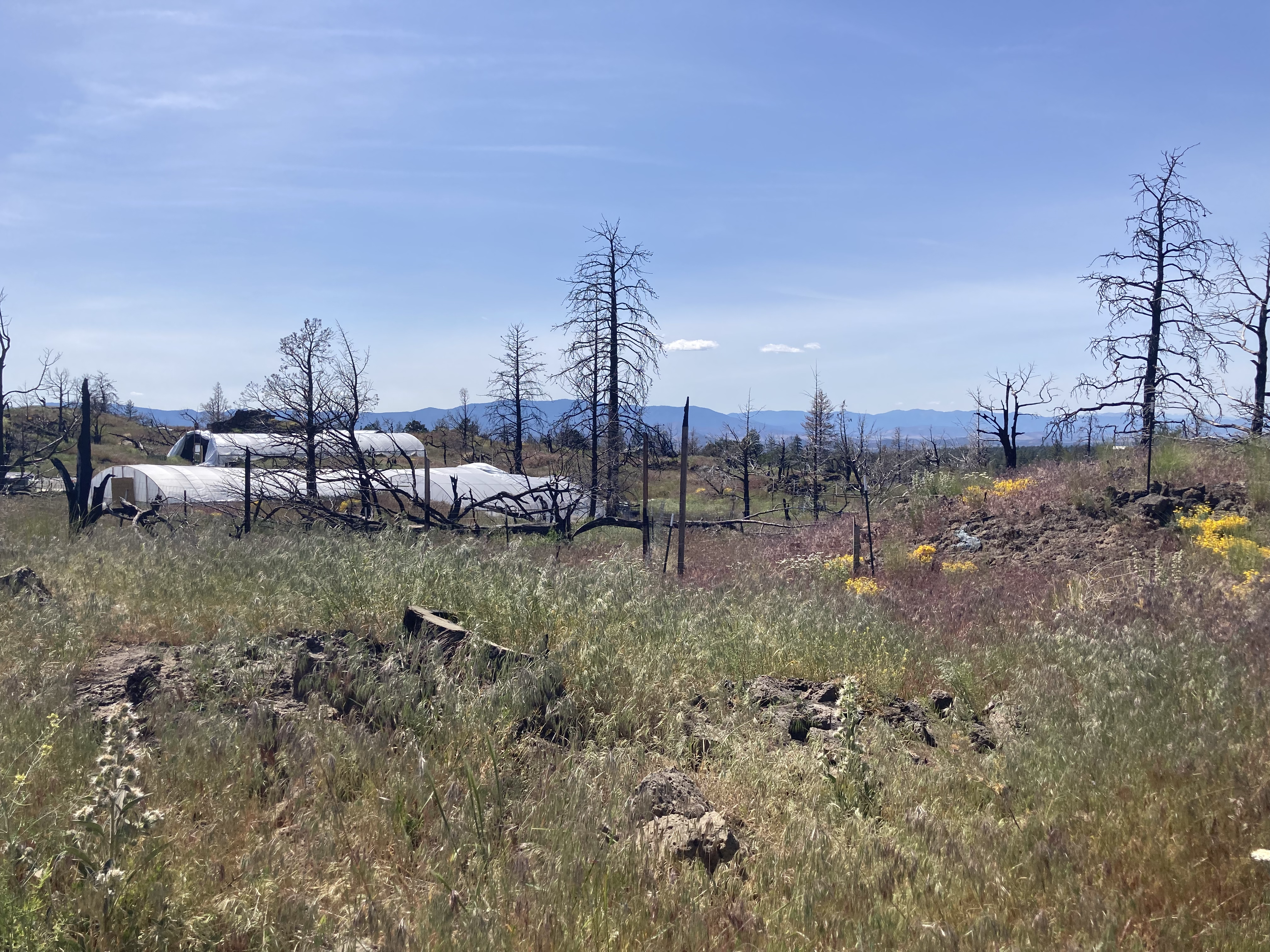
Many, especially the water truck drivers, stayed behind to protect the community’s homes. According to Petersen-Rockney, community members would give them the keys or access to their homes, where they could consume food and water while they kept watch.
Among them was Hawj Soobleej Kaub, who was attempting to evacuate his family. Witnesses claimed that Kaub was hit by approximately 60 bullets, a disturbing parallel to the police killing of Jayland Walker. Police also claimed that Kaub “may have fired several rounds,” which locals refuted. Kaub was killed shortly after the ratification of the COVID-19 Hate Crimes Act, which directs law enforcement to respond to the “dramatic increase in hate crimes and violence against Asian-Americans and Pacific Islanders.”
Fighting for Water Rights: Legal Battles and Environmental Justice for Hmong Residents
With wildfires abound in California and the Environmental Protection Agency no longer able to enforce policy, thanks to the Supreme Court’s overturning of the Chevron Decision, many hope that these Hmong-devised community-first strategies will serve as an example of how to navigate the climate catastrophe when the government seems incapable of combating anti-Asian environmental racism the Hmong continue to experience. In partnership with the community, the Asian Law Caucus made some strides with yet another lawsuit filed against Siskiyou County. “Just [last] month, a federal judge issued a preliminary injunction to prevent the county from continuing to use zoning ordinances to deny people water,” said Vees.
Petersen-Rockney’s research suggests a need to ensure equitable water access for rural communities and it has been used by organizers to encourage the California State Water Resources Control Board to call for a statewide ordinance ensuring equitable water access and cannabis cultivation. The local organizers are working to pressure the California State Water Resources Control Board to study, investigate, and invest in a community water system. “There is an opportunity for the State of California to reevaluate how cannabis licensing and permitting has been rolled out,” she said. “Create opportunities, especially for small-scale cultivators, across the state, maybe like a statewide licensing type for small cultivators.”
With Trump’s return to the White House and blatant dismissal of the climate catastrophe, Vees and others encourage solidarity with the Hmong and other communities against bigotry. “[Trump’s rhetoric] gave other politicians a playbook to divide communities and distract us from their failures to provide what most of us need,” said Vees. “By embracing our diversity and leaning into learning about our neighbors’ cultures, traditions, and histories, we can take a collective stand against forces that seek to divide us.”
Correction: This article previously incorrectly stated that “ACLU Asian Law Caucus” conducted the case. The case was in fact investigated by Asian Law Caucus and the ACLU of Northern California, which also co-counseled the case itself. Additionally, this article previously incorrectly stated that Petersen-Rockney called for a statewide ordinance and that she encouraged organizers to pressure the California State Water Resources Control Board.